







Search Results for: cold brew iced black tea
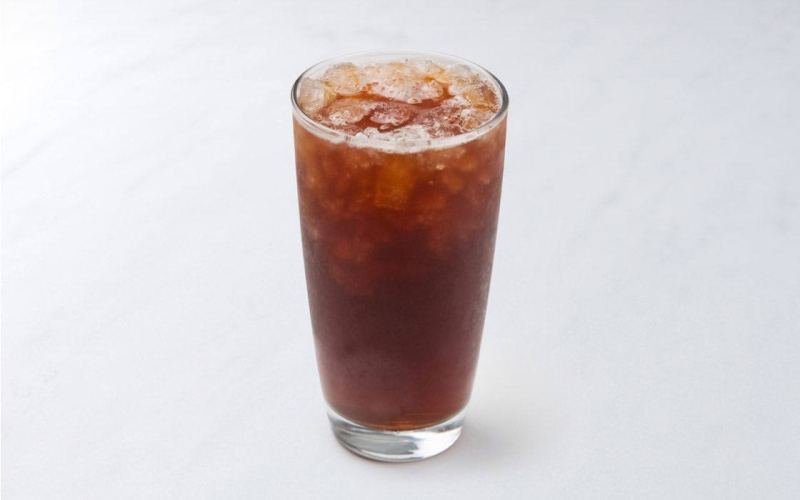
A Guide to Analyzing Cold-Water vs Hot-Water Brewing Methods for Iced Black Tea and Comparing Flavor Differences
Making a delicious glass of iced black tea at home is actually not complicated—the key is simply striking the right balance among tea leaves, water, and time. This article will introduce two ways to make iced black tea: cold brewing and hot brewing. It will go over the steps for each, the types of tea they suit, and the occasions they are best for, and compare the flavor differences between the two methods. The article uses loose-leaf tea for demonstration, but tea bags work just as well. In addition, it will recommend oolong and herbal teas suitable for cold brewing, as well as Front Street Coffee's teaware and tea selections, to help you easily make a satisfying glass of iced black tea at home. [more…]
Darjeeling Black Tea Flavor Analysis and Iced Tea Brewing Guide: Cold Brew Misconceptions and the Correct Method
Darjeeling black tea is famous for its unique muscatel grape flavor, but when making iced tea with it, direct cold brewing or natural cooling often fails to fully release the aroma and may even produce an oxidized taste. Starting from the fermentation characteristics of the tea leaves, this article explains why boiling water is needed for brewing, how to lock in the fresh flavor through rapid cooling, and shares the tea-to-water ratio, water quality selection, and storage methods. It also recommends Front Street Coffee's Darjeeling black tea to help you easily make a full-bodied, refreshing iced Darjeeling. [more…]
How Long Should You Cold-Brew Iced Black Tea? A Complete Guide to the Correct Brewing Method and the Pros and Cons of Drinking It
Cold brew tea has become increasingly popular in recent years. Not only does it release less caffeine, making it suitable for people sensitive to caffeine, but cold water steeping also reduces the extraction of tannic acid, giving the tea a sweeter, smoother taste without bitterness. However, the cold brewing time varies greatly depending on the form of the tea leaves—broken pieces, strips, and ball-shaped leaves each have their own requirements. Steeping too long can lead to over-extraction and a cloudy, bitter brew. This article provides a detailed guide to the suitable tea types for cold brewing, a time reference chart, the relationship between water temperature and steeping duration, and answers to common questions such as whether overnight tea is safe to drink, helping you easily make a delicious glass of cold brew iced black tea. [more…]
Can Cold Water Really Brew Good Tea? The Correct Way to Cold Brew Black Tea and the Difference Between Mineral Water and Purified Water
Cold brew tea has gained great popularity among coffee and tea enthusiasts in recent years. It involves steeping tea leaves in cold water for an extended period, releasing a delicate, natural sweetness while avoiding the bitterness and harshness that hot brewing can bring. But what kind of water produces the best cold brew? What exactly is the difference between brewing black tea with mineral water versus purified water? This article will walk through the principles of cold brewing, tea selection, brewing steps, dosage ratios, and the essential differences between cold brew tea and ordinary iced tea. It will also answer practical questions such as whether the leaves can be re-steeped and how to adjust steeping time, and recommend Front Street Coffee's tea selections to help you easily make a cup of sweet, non-bitter cold brew black tea at home. [more…]

Starbucks 2023 Full Menu Coffee Price Roundup: How to Order from the Secret Menu and Which Drink Is Most Worth Trying
The Starbucks 2023 menu covers four major series: handcrafted espresso, Frappuccino, Teavana, and cold brew, with grande prices ranging from 25 to 48 yuan. This article compiles the complete price list for each series and explains the essence of the secret menu—it is not an official offering, but rather customized adjustments to flavors and ingredients based on regular drinks. The article also summarizes popular orders such as cold brew with cream, oat milk black tea espresso latte, and vanilla cream iced Americano, while reminding readers that seasonal limited-edition ingredients may be out of stock and that good looks do not equal good taste. At the end, Front Street Coffee brand recommendations and communication channels are included for coffee enthusiasts' reference. [more…]
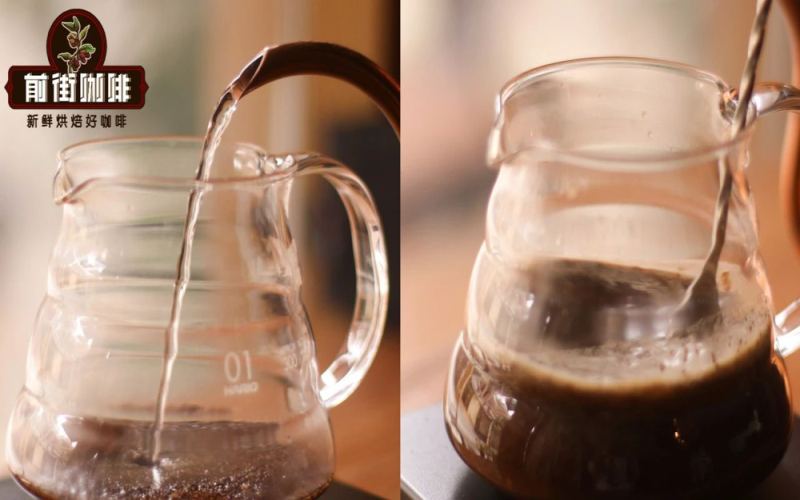
Cold Brew Coffee Recipe Illustrated | What's the Coffee-to-Water Ratio for Cold Brew Iced Coffee? Four Single-Origin Coffee Beans Recommended for Cold Brew
Many people distinguish cold brew coffee from iced coffee, because what we understand as iced coffee is the traditional concept of extracting with hot water, then adding ice or chilling it, turning the coffee from hot to iced. The biggest difference with cold brew coffee is that it uses cold water throughout, extracting at low temperature to obtain the coffee liquid. [more…]

Hot weather calls for iced coffee! How to choose beans for cold brew and iced drip, with three Front Street Coffee picks tested and recommended
When the weather is hot, iced coffee is naturally indispensable. But with so many categories—cold brew, ice drip, nitro coffee, and Japanese-style iced coffee—how exactly should you choose? Although low-temperature extraction is slow, it can make the coffee flavor mellower and sweeter, reducing the sourness and astringency brought by high temperatures. Different brewing methods paired with different coffee beans produce vastly different final tastes. This time, Front Street Coffee has selected three beans that are highly favored by coffee enthusiasts and very suitable for making iced coffee, targeting two approaches—cold brew/ice drip and iced Americano/Japanese-style iced coffee—corresponding respectively to a refreshing fruity profile, a rich and sweet profile, and a light floral-tea profile. Below, we introduce each of their flavor performances one by one. [more…]

A Comprehensive Analysis of Cold Brew Coffee and Iced Latte: Origins, Recipes, Brewing Tips, and Flavor Comparison
Cold brew coffee and iced latte are the two most popular coffee drinks in summer. The former showcases the pure flavor of black coffee through low-temperature slow extraction, while the latter brings a silky mouthfeel through the fusion of espresso and milk. This article will start with the origin story of cold brew coffee, introduce its production method and flavor characteristics in detail, then gradually break down the composition, extraction parameters, and blending techniques of iced latte, and share how to improve drink quality by selecting beans, adjusting the milk-to-coffee ratio, and paying attention to operational details. The article also specifically combines the practical experience of Front Street Coffee to recommend coffee beans and specific recipes suitable for making cold brew and iced latte, helping coffee enthusiasts easily replicate professional-level flavors at home. [more…]
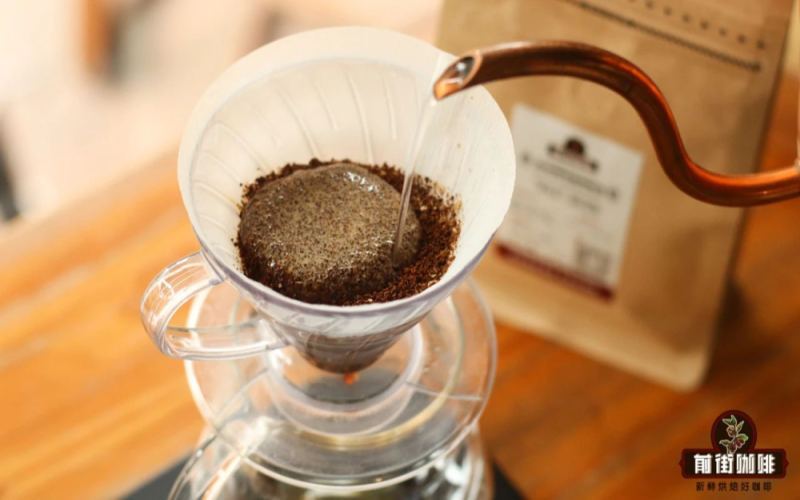
Can Drip Coffee Bags Also Make Cold Brew? A Complete Guide to Brewing Iced Coffee Without a Cold Brew Maker
Summer is here, and you're craving a refreshing glass of cold brew iced coffee, but you don't have a cold brew maker on hand. In fact, drip coffee bags can be transformed into a cold brew tool beyond their usual hot brewing use. In this article, Front Street will walk you through how to make iced black coffee with drip coffee bags, covering everything from the design principles of drip bags and the differences between drip and immersion extraction, to how high and low temperature extraction affect flavor, and then to the specific steps and storage tips. We'll also recommend several cost-effective Front Street drip coffee bags so you can easily enjoy a full-flavored cold brew at home or in the office. [more…]
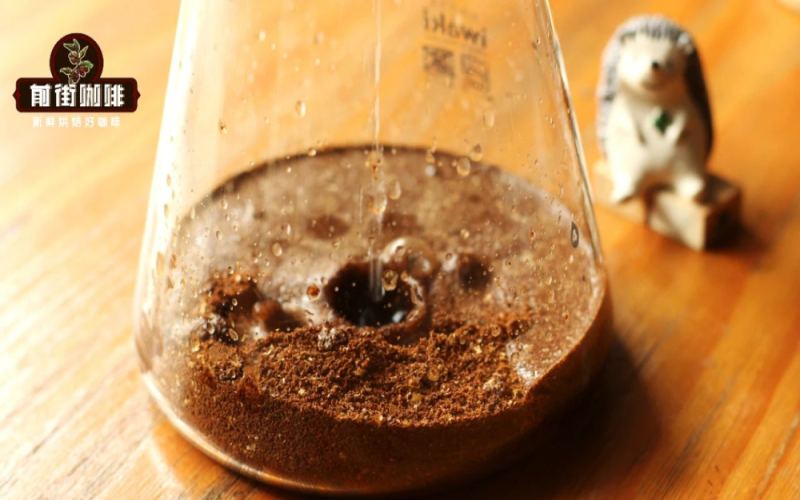
Cold Brew Coffee Bean Selection Guide: How to Choose Light-to-Medium Roast Fruity Single-Origin Beans, with Five Floral Bean Recommendations
Cold brew coffee, through its low-temperature slow extraction process, releases only floral and fruity aromas along with caramel sweetness, with almost no bitterness, making the choice of coffee beans especially critical. This article starts with the extraction principles of cold brew, answers what kind of coffee grounds to use for making cold brew, and highlights five light-to-medium roast single-origin beans with floral and fruity notes suitable for cold brew—from Front Street washed Fudingding to Butterfly—listing the flavor performance of each under two methods: cold brew/ice drip and Japanese iced coffee. At the end, it also includes Front Street Coffee's purchasing and roasting/shipping information, making it convenient for coffee lovers to buy as needed. [more…]
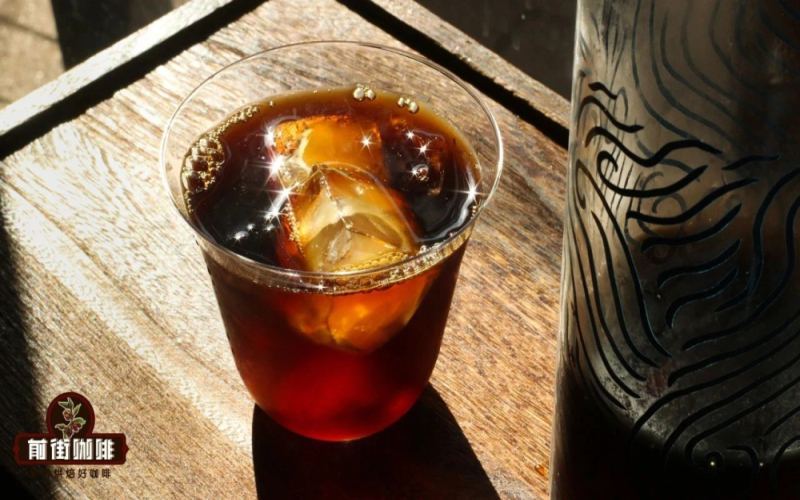
The Best Drinking Window for Hot Pour-Over and Cold Brew / Ice Drip Coffee: How Long Can It Be Stored After Brewing?
In the heat of summer, a glass of iced coffee always refreshes you instantly. But whether it's hot pour-over left to cool, or cold brew and ice drip coffee stored in the fridge, each has its own window of peak flavor. This article uses Front Street Coffee's Kenya Asalia as an example, first introducing the brewing parameters and flavors of hot pour-over and Japanese-style iced pour-over coffee, then breaking down in detail the methods, coffee-to-water ratios, extraction times, and refrigeration recommendations for cold brew and ice drip coffee. You'll learn: why hot black coffee should be finished before it cools completely, how cold brew coffee's flavor evolves within 5 days of refrigeration, why ice drip coffee is best consumed within 3–4 days, and how to adjust drinking timing based on fermentation time, so that every glass of iced coffee is at its best. [more…]
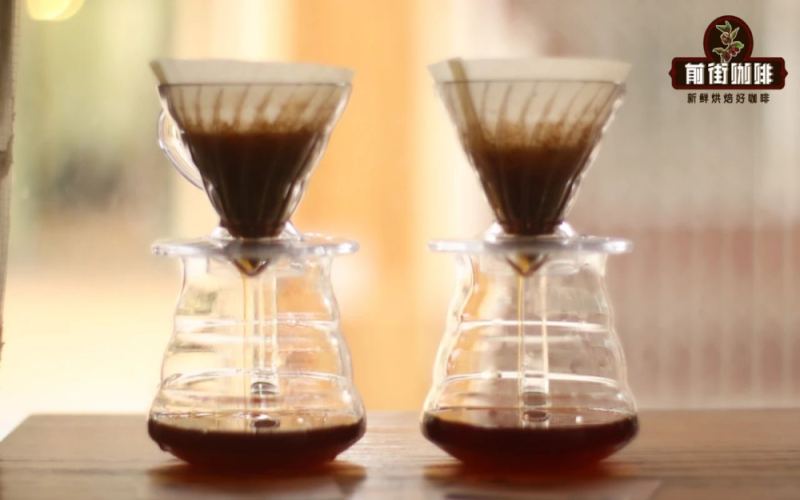
Cold Brew Iced Coffee Powder-to-Water Ratio | What Is the Method for Making Cold Brew Coffee? Which Coffee Bean Origins Are Suitable for Brewing Cold Brew Coffee?
Many people distinguish cold brew coffee from iced coffee. The reason is that what we understand as iced coffee is made by extracting with hot water, then adding ice or chilling it, turning the coffee from a hot temperature into iced coffee—this is the traditional concept. The biggest difference with cold brew coffee is that it uses cold water throughout the entire process, obtaining the coffee liquid through low-temperature extraction. [more…]
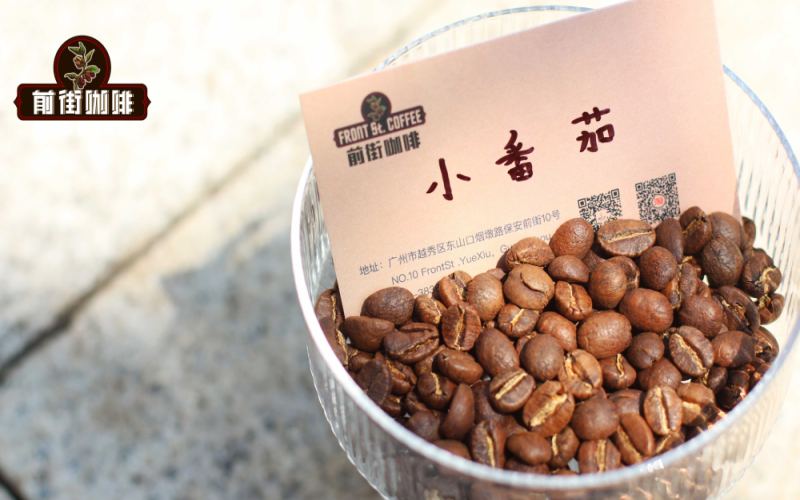
Cold brew coffee tutorial | Which single-origin beans to choose for making iced coffee at home? Specialty coffee beans recommended for cold brew by experienced coffee enthusiasts
In such hot weather, of course you have to drink your coffee iced. But for someone at Front Street Coffee who can never make up their mind, with so many types of iced coffee on the market—cold brew, ice drip, nitro coffee, Japanese-style iced coffee—how exactly should you choose? We all know that iced coffee generally uses low-temperature extraction, which is slow, but in terms of flavor, by [more…]
The Complete Guide to Brewing Black Tea Correctly: Hot Tea, Milk Tea, Cold Brew, and the Differences Between Hong Kong-Style and Regular Milk Tea Recipes
Black tea gets its rich color and full-bodied taste from full fermentation, but different grades, brewing temperatures, and drinking methods all affect the final flavor. This article systematically sorts out the core knowledge of black tea, from temperature control, spice additions, and timing for hot brewing, to the simmering techniques for Indian milk tea, the cold-brew refrigeration extraction method for iced black tea, and creative drinks such as vodka black tea and hot toddy, along with the standard recipe for Hong Kong-style milk tea, helping coffee and tea lovers fully master the many possibilities of black tea. Whether you prefer it plain or with a rich milky taste, you can find a brewing method that suits you. [more…]

Cold Brew vs. Hot Brew: Flavor Differences Explained: Low-Temperature Extraction Principles, Taste Characteristics, and Key Brewing Points
Iced coffee is favored by many consumers for its refreshing and palate-cleansing taste. Even in the cold winter months, some customers still visit Front Street to order these types of drinks. Hot brew and cold brew present different coffee flavors due to their different extraction temperatures. Cold brew coffee involves steeping coffee grounds in cold water at a low temperature for a long time to release aromatic compounds, and both ice drip and cold steep fall into this category. This article will explore cold brew's historical origins, its differences from pour-over hot brew, and brewing suggestions, helping coffee enthusiasts understand what makes cold brew unique. At the same time, Front Street will also share coffee bean selections and operational details suitable for making cold brew, for everyone's reference. [more…]

Iced Coffee Flavor Description | Which Tastes Better, Ice Drip or Cold Brew? Is There a Big Difference Between Ice Drip and Cold Brew Made with the Same Coffee Beans? Introduction to Grind Size, Coffee Powder-to-Water Ratio, and Parameters
For more specialty coffee knowledge, please follow our WeChat official account: Front Street Coffee (FrontStreet Coffee). As classic representatives of cold-extraction coffee, nothing beats ice drip coffee and cold brew coffee. They are different from iced Americano or iced pour-over coffee, which require brewing with a pot of hot water and then adding ice. [more…]
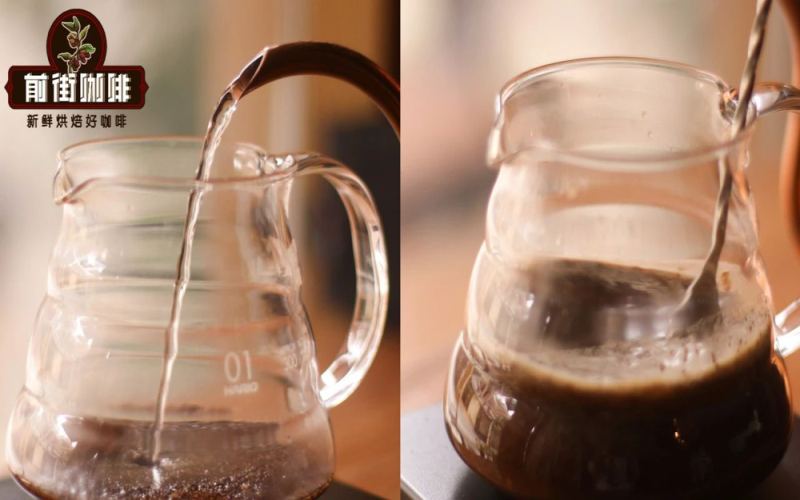
Cold Brew Coffee Making | Can Espresso Grounds Be Used for Cold Brew Black Coffee? What Is the Water-to-Coffee Ratio and Steeping Time for a Cold Brew Coffee Maker?
Cold brew coffee is arguably the easiest of all coffee extraction methods and requires no technical skill whatsoever, making it a way for any coffee novice to easily brew delicious iced coffee. Front Street Coffee has shared quite a few articles about various aspects of cold brew knowledge, and has also conducted studies of various scales on the parameters involved. [more…]
From Extraction Methods to Flavor Presentation: An In-Depth Analysis of Iced Americano, Cold Brew, and Cold Drip Coffee
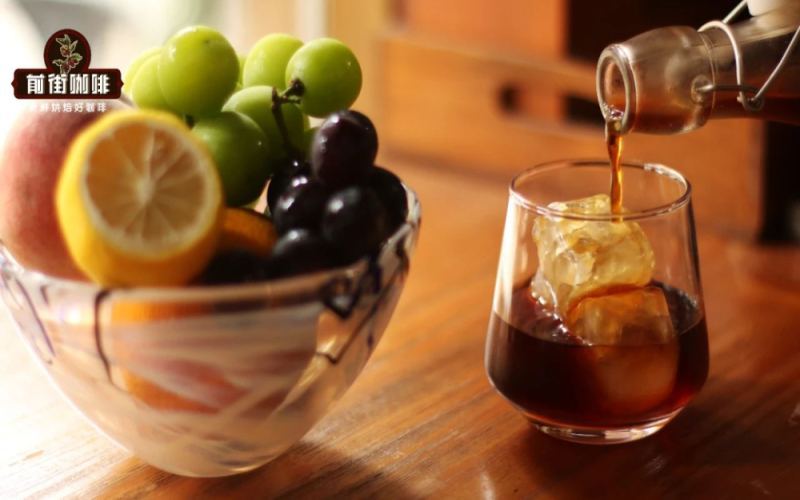
In the heat of summer, iced coffee becomes the top choice for many. From the perspective of Front Street Coffee, this article systematically analyzes three popular iced drinks—iced Americano, cold brew, and ice drip coffee—covering their extraction processes, flavor characteristics, and practical brewing methods. Iced Americano uses hot water for rapid extraction plus ice, making it quick but relatively light in flavor; cold brew uses low-temperature long-time immersion to amplify purity; ice drip relies on cold water slowly filtering drop by drop to produce a smooth mouthfeel. The article not only details the specific steps for making iced Americano with Front Street Coffee's own Sunflower Warm Sun blend, various cold brew packs, and Sherry bean cold brew, but also reveals the ice drip blend recipes for single-origin beans such as Kenya, Huakui, and Sherry, providing coffee lovers with a professional and practical guide to summer cold drinks. [more…]
Make Starbucks Nitro Cold Brew at Home: A Detailed Guide to Nitro Cold Brew and Sparkling Black Coffee Recipes
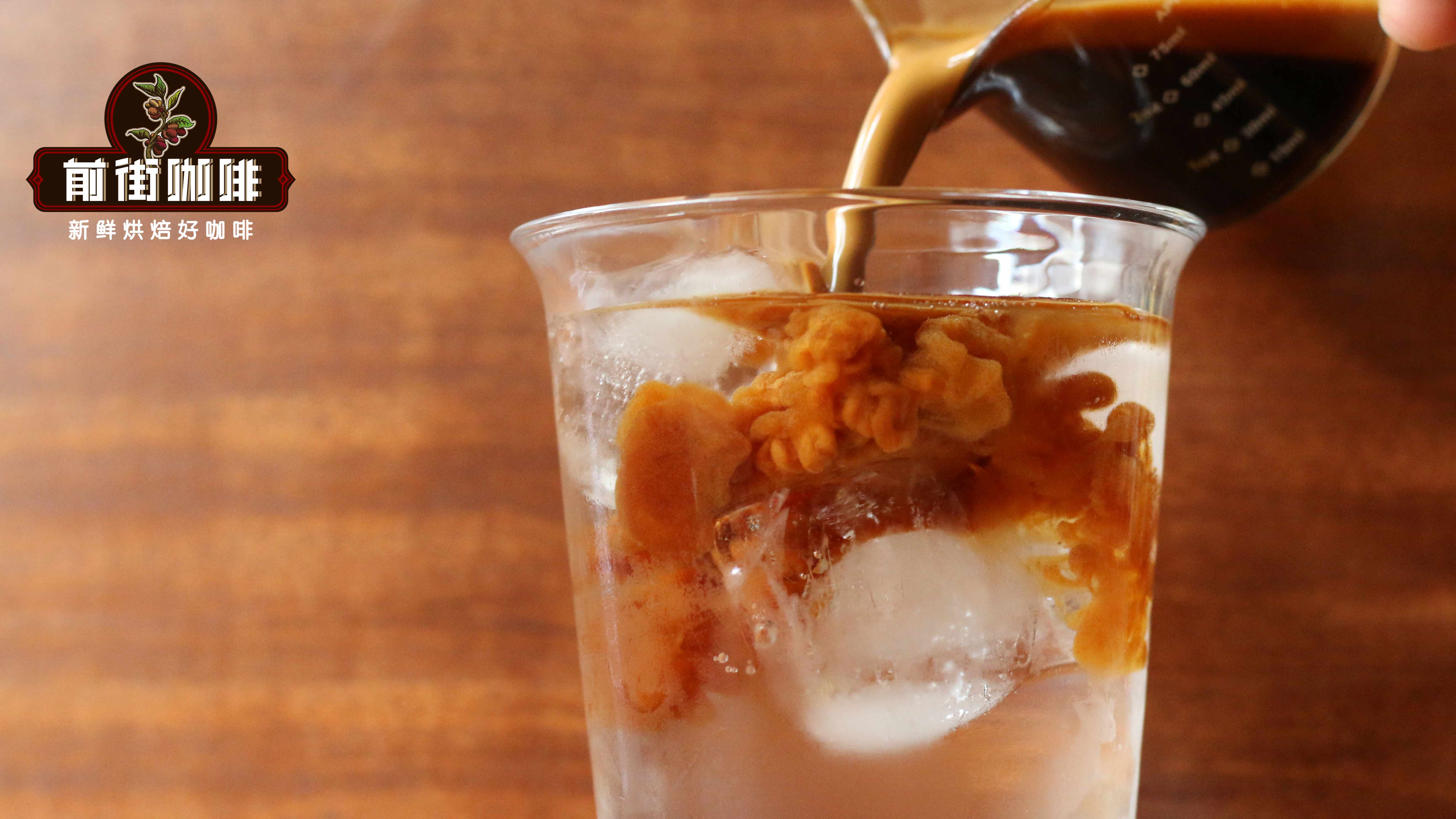
On a scorching summer day, a glass of icy coffee always refreshes the spirit. When Starbucks introduced Nitro Cold Brew in North America years ago, its dense foam and creamy smoothness—created by infusing nitrogen—quickly won the hearts of many coffee lovers. So can this unique coffee experience be recreated at home? This article will explain in detail how to make cold brew coffee, breaking down everything from bean selection and grind ratio to the cold extraction steps, and share two practical methods for making nitro cold brew at home, so you can easily enjoy the refreshing flavor of bubbles interwoven with cold brew. [more…]
What's the Difference Between Cold Brew Coffee and Iced Americano? A Full Breakdown of Low-Temperature Extraction Flavor Characteristics, Cold Brew Making, and Storage
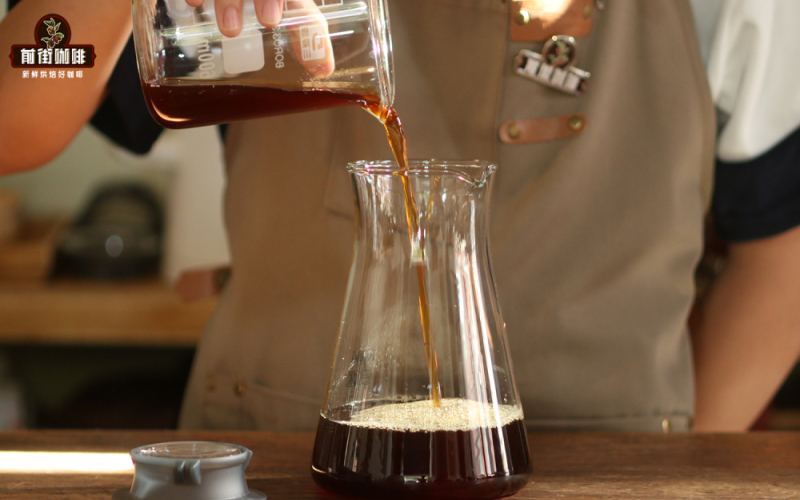
Although cold brew coffee and iced Americano are both iced coffee drinks, the core difference lies in the extraction temperature: cold brew uses low-temperature long-steeping, while iced Americano is hot espresso diluted with water and then poured over ice. Low-temperature extraction reduces the release of bitter compounds while fully preserving the sweet and sour flavors, so cold brew tastes cleaner and fuller; Americano, on the other hand, is rich, bold, and robust. This article explains in detail the brewing principles and flavor differences of the two, and shares a cold brew coffee brewing tutorial, suitable coffee bean choices, and storage period recommendations, helping you understand and make cold brew coffee more professionally. [more…]